
Tiny Homes & Sheds in La Vernia, TX
Spade Construction & Remodeling builds storage sheds, workshops, casitas and tiny homes in La Vernia and across Wilson County. The first question is whether anyone will live in it, because storage buildings and living space follow different rules for foundations, utilities, septic and permits.
Office hours 8 AM–6 PM daily
Storage building or a place to live?
A storage shed holds tools, feed or seasonal gear and may get a light and an outlet. A workshop needs heavier wiring and often insulation plus a mini-split to stay usable in summer. A casita or tiny home is a dwelling: finished walls, a bathroom, a kitchenette, cooling and heating, and somewhere for wastewater to go.
Once a bathroom or a bed goes in, expect closer review in town and a septic conversation on rural land. If the plan is “storage now, guest room later,” say so at the start so the floor, wiring and plumbing stubs suit the building’s future.
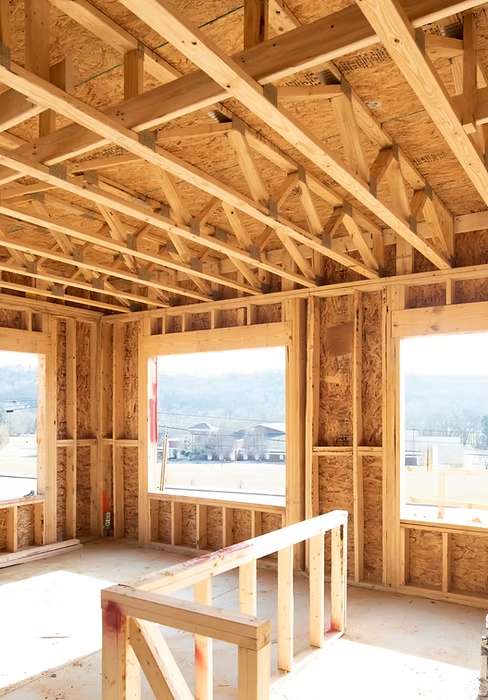
Foundations: skids, piers or a slab
- Skids: treated runners on a leveled, compacted gravel pad. A common fit for smaller storage sheds or a building you may move one day. La Vernia’s accessory building packet says every portable building must be tied down, whatever its size.
- Piers: concrete piers carrying beams and a framed floor. They handle sloped lots, keep the floor off damp ground and leave space underneath for pipe and wire.
- Slab: poured concrete for a workshop with heavy machines or a tiny home with a floor close to grade. Drain lines and conduit go in before the pour, so the layout gets settled early.
Soil, slope, drainage and load drive the choice. Our concrete services cover the pads and slabs these buildings sit on.
Power and water, planned before framing
Trenching across a graded yard or cutting a finished slab to add a drain wastes time that early planning avoids.
- Electrical: a subpanel fed from the house, or a separate service from the utility. Two lights need far less than a compressor and welder, or a water heater and mini-split.
- Water: a line from the house, a public water supplier or a private well, with the route and entry point planned.
- Wastewater: in town, a city sewer connection where one is available (La Vernia’s permit form lists sewer tap and sewer impact fees); on rural land, septic.
- Sleeves: set conduit before concrete, even for circuits you only “might” add.
Plumbing and electrical scope is planned into the estimate and carried out by the appropriate trades as Texas requires. Material orders follow the agreed plan, and there are no cancellations after materials have been purchased.
Building inside La Vernia city limits
The City of La Vernia’s accessory building packet says a permit and plan review are required for all accessory buildings. Bureau Veritas handles plan review and inspections, and the city’s permit application says a certificate of occupancy must be issued before any building is occupied. The packet’s summary of Sec. 38-410 includes:
- a main home started on the lot before an accessory building goes up, and no use of the accessory building until that home is finished and occupied (agricultural storage in the R-A district excepted);
- 10 feet minimum between the house and a detached accessory building (carports, patio covers, pergolas and gazebos open on at least three sides are excepted), and nothing in front of the house;
- 5 feet minimum from side and rear lot lines, with nothing over an easement;
- portable buildings under 120 square feet with no permanent foundation allowed in residential districts, two per lot at most.
Whether a detached unit may be lived in depends on zoning, so confirm with City Hall at 102 E. Chihuahua Street before a casita is drawn up. Your project’s permit is applied for before work starts; our permits guide has more.
Rural Wilson County: septic and flood zones
Out in the county there is no zoning to clear and no certificate of occupancy to obtain, per the county judge’s 2024 letter, though floodplain, septic and driveway permits still apply. Land in a city’s extraterritorial jurisdiction may follow that city’s rules, and the county does not enforce subdivision deed restrictions, so check with your HOA. For a tiny home or workshop, the development permit file starts with your deed and a site plan to scale; a footprint of three acres and up adds a drainage study, and a flood-zone site adds an elevation certificate.
Septic and a habitable unit
TCEQ says a permit and approved plan are required to construct, alter, repair, extend and operate an on-site sewage facility. Wilson County’s septic application asks for bedrooms, bathrooms and living area, requires a professional design and soil evaluation, and follows development permit approval. An existing system was sized for the house it serves, so a tiny home with a bathroom may mean extending that system or adding another. A shed without plumbing mainly needs to stay off the tank and drain field. The county’s permitting office in Floresville can confirm what your site needs.
Placement and access
- Getting in: a delivered shed, concrete truck or lumber drop needs a clear route, a wide gate, turning room and ground firm after rain.
- Drainage: avoid low spots and creek areas. Where water sheets across open ground with no channel, the county’s guidance is a floor two feet or more above grade.
- Keep clear: overhead lines, the drain field, the well and recorded easements.
- Distance: a shorter trench means less digging; a long run may need heavier wire.
New access off a county road takes a county driveway permit, and a state highway connection is TxDOT’s call.
Prefer attached space? Compare a home addition, or see metal building finish-outs and patio covers. We also work in Floresville, Stockdale, St. Hedwig and Adkins, Seguin and Schertz and Cibolo. Inside a city’s limits that city sets the building rules; outside them, as in Adkins, the county’s rules apply.
Tiny home and shed questions
Do I need a permit for a shed in La Vernia?
Inside city limits, yes: the city’s accessory building packet requires a permit and plan review for all accessory buildings, and portable buildings must be tied down. Outside city limits, Wilson County’s development permit rules apply instead. Confirm current rules with City Hall or the county before ordering one.
Can I live in a tiny home on my land in Wilson County?
Unincorporated Wilson County has no zoning, but it requires development, septic and driveway permits. A unit with a bathroom needs a permitted wastewater plan, so septic usually decides the project. An HOA may add limits.
Which foundation is right for a shed or tiny home?
Skids on gravel suit many storage sheds, piers handle slopes and leave room for utilities, and a slab fits workshops and heavier buildings. Soil, drainage and the plumbing layout decide it.
Can a shed become a guest room later?
Often, if it is planned that way and zoning allows it: a foundation that can take a bathroom, sleeves set before concrete and a route to septic or sewer. Converting also brings the rules for living space, so share your long-term plan up front.
Your idea.
Our next project.
Tell us what you have in mind. From home repairs to additions, call or send the form for a free estimate.
208 Forrest Road
La Vernia, TX 78121
Office hours 8 AM–6 PM daily
Request a free estimate
Fields marked * are required.